Posts
-
The Subtle Differences in Apply-Before-Merge and Apply-After-Merge
My infrastructure team, as part of a larger Terraform Restructure initiative, is moving our Terraform repositories to be apply-after-merge. There are significant changes in process between these two approaches; not all are obvious. -
Complex Data Structures Are An Anti-Pattern
In Terraform, I’ve found that KISS > DRY and that the use of complex data structures as inputs are a gilded foot gun. -
Everything is on fire and it's great
I haven’t blogged about it, but a couple of years ago I went through an acquisition. It was a pretty incredible experience and overall pretty positive. I’m sure I’ll blog about that at some point, but today I want to discuss a change that I experienced from going through that … a change in me. A change I wish happened a lot sooner. I figured out how to not concern myself with most problems. -
Monitoring your home internet connection because boredom
Early in the COVID-19 lockdown extravaganza 🎉 my wife and I purchased a new home and moved in. It was a stressful time, filled with uncertainty. In the aftermath, I found myself with pretty terrible internet service and since we are both working in isolation, I am hellbent on finding out why … So I’ll use the tools I know – Telegraf, InfluxDB, Grafana, and Docker – to collect data, analyze it, and still probably not figure it out … but it’s something to do.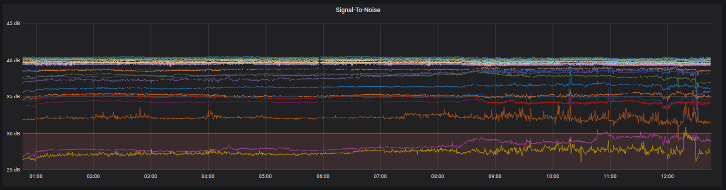
-
Setting us up the bomb
I’ve always known that scripts were out there and scouring the internet for exploitable websites. It’s why the more widely used blogging applications (I’m looking at you, Wordpress) are so widely hacked. To make my own little positive impact on the world (and because it’s fun), I’ve decided to set up a few traps on my site.
subscribe via RSS